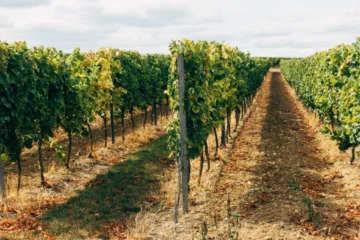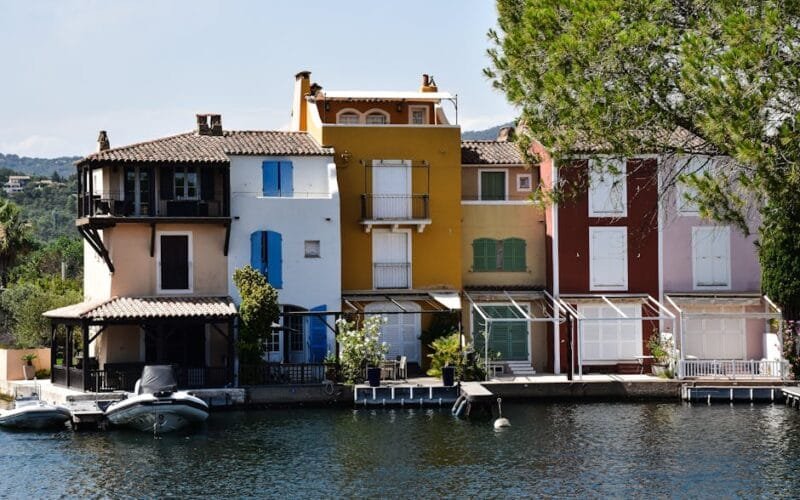
Pour yourself a cup for this one: Grimaud Les Aumarets Rosé isn’t just a wine—it’s a liquid snapshot of Provence’s sun-drenched soul. Born from vines planted in 1901, this rosé thrives in the shadow of the Massif des Maures, where Grenache, Cinsault, and Syrah grapes soak up nearly constant sunlight. The result? A wine that smells like summer, tastes like summer, and drinks like a secret shared over a chilled glass.
This isn’t your average Provencal rosé. The maritime terroir—distinct from the region’s typical calcareous soils—adds a layer of freshness and salinity that sets it apart. The blend of 60% Grenache, 30% Cinsault, and 10% Syrah is a masterclass in balance: ripe red berries on the nose, a palate that dances between jammy sweetness and zesty brightness, and a finish that lingers like a hint of exotic wood. It’s the kind of wine that elevates a simple meal into something memorable, whether it’s lobster Thermidor or a plate of Provençal stuffed vegetables.
Behind the glass is a story of legacy and innovation. Les Vignerons de Grimaud Cooperative, established in 1932, has grown from a small collective of eight to a powerhouse producing 55,000 hectoliters annually. Their commitment to sustainable viticulture and terroir-driven winemaking is evident in every bottle. From the 750ml standard to 150ml and 300ml formats, this rosé is designed to be savored—not just served.
Key takeaway? This rosé is a bridge between place and pleasure. The unique maritime terroir gives it a freshness that’s rare in Provence, while the blend’s balance makes it versatile for pairing. And don’t overlook the winery’s history—over 90 years of dedication to quality ensures every sip carries weight.
Share your favorite way to enjoy it below.
What’s your go-to pairing for a glass of Les Aumarets Rosé? Share your favorite way to enjoy it below.
Questions & Answers
What makes St. Tropez rosé unique?
St. Tropez rosé is unique due to its blend of Grenache, Tibourbon, and Cinsault grapes, grown in limestone-rich soils. The region’s climate and winemaking traditions enhance its crisp, aromatic profile.
How is St. Tropez rosé made?
St. Tropez rosé is made using the saignée method, where juice is pressed off after a short fermentation. This creates a pale, fresh wine with bright acidity and red fruit notes.
Information sourced from industry reports and news outlets.