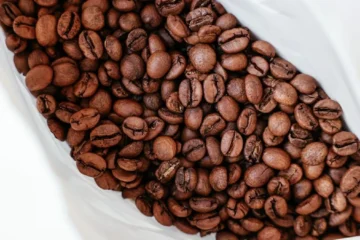
Pour yourself a cup for this one: You’re chasing perfection in your home roast, yet your beans keep emerging dark, no matter how precise your timing. The culprit? Silverskin. This thin, papery layer clings to green coffee like a stubborn shadow, and if you’re not removing it, you’re fighting the roast itself.
Silverskin is the outermost layer of the bean, a natural protective shell that hardens during drying. While some roasters leave it intact, others strip it away for consistency. Your beans, however, are still clinging to it—likely because hulling isn’t fully removing the layer. This film acts as an insulator, trapping heat and slowing moisture release. The result? A darker roast, even with meticulous timing. Videos and online stores show beans that look smooth and uniform because their silverskin has been painstakingly removed. Your beans, still wrapped in it, are playing a different game.
The key lies in understanding how silverskin interacts with heat. During roasting, it resists browning, forcing the bean to compensate by darkening. Think of it as a mismatched sock—your roast is trying to balance the heat, but the silverskin is throwing it off. Even if you tweak profiles, stall development, or adjust flame intensity, the bean’s natural response is to deepen its color. This isn’t a flaw in your technique—it’s a signal that your beans need a fresh start.
If you’re serious about consistency, invest in a proper huller. Manual methods often leave silverskin behind, while machines strip it cleanly. Once removed, your beans will roast more evenly, revealing their true character. But here’s the catch: silverskin isn’t just a layer to peel—it’s a clue about the bean’s origin and potential. Some varieties naturally shed it more easily than others.
Have you ever noticed your beans resisting color development despite perfect timing.
So, what’s your next move? Have you ever noticed your beans resisting color development despite perfect timing? Share your experience below.
Questions & Answers
How to remove silverskin from brisket?
Use a knife to scrape off silverskin. For tough areas, soak in water or use a meat mallet. Trim excess to improve texture and marbling.
Does silverskin affect brisket taste?
Silverskin can dull flavor. Remove it for better taste and texture. It can also make the meat tough if left on during cooking.
Information sourced from industry reports and news outlets.