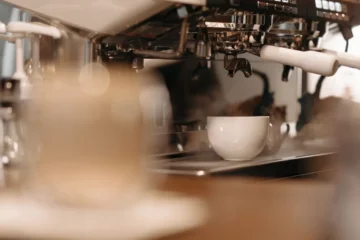
Let’s talk about the bitter espresso shot that’s leaving you scratching your head. You’ve got the gear—KitchenAid Semi Automatic, Iberital MC2 grinder—but your extraction feels off. 18g of beans, 25 seconds, 55g of liquid? That’s not a recipe for balance. Over-extraction isn’t just about time; it’s a symphony of variables gone awry. Start with the basics: your machine’s pressure gauge reads 9 bar, which is in the ballpark, but pressure alone doesn’t dictate flavor.
The real culprit? Grind size. You’re grinding too fine, and that’s why water isn’t flowing. Fine grinds slow extraction, but they also clog the portafilter, creating uneven saturation. The solution isn’t to grind finer—it’s to find the sweet spot. A slightly coarser grind allows water to flow without resistance, ensuring even extraction. But here’s the catch: if you’re already at 9 bar, you might need to adjust your tamp. A calibrated tamper ensures even pressure, but without one, your tamp might be uneven, leading to channels where water rushes through.
Another angle: your shot time. 25 seconds is on the longer side for a double shot. Espresso extraction typically falls between 22-28 seconds, but 25 is pushing it. Over-extraction happens when water sits too long, leaching bitter compounds. Try reducing your dose slightly or shortening the shot time. A 15-17g dose with a 22-second pull might yield better results.
Finally, check your machine’s pre-infusion. Some machines have a pre-infusion phase that softens the puck before full pressure. If yours doesn’t, you’re missing a step that can prevent over-extraction.
Grind size and tamper calibration are intertwined; a coarser grind paired with even pressure fixes most issues.
Key points: 1. Extraction time matters—25 seconds is borderline. 2. Grind size and tamper calibration are intertwined; a coarser grind paired with even pressure fixes most issues. 3. Your machine’s pre-infusion phase can make or break the shot.
What’s your go-to fix for over-extracted espresso? Share your secrets below.
Questions & Answers
What are the signs of over-extracting coffee?
Over-extracted coffee tastes bitter, sour, or burnt. It may have a dry mouthfeel and lack acidity. It often results from too long of a brew time or too fine a grind.
How do you fix over-extracted coffee?
Reduce brew time, use a coarser grind, or lower water temperature. Adjusting these variables can help balance the extraction and improve flavor.
Information sourced from industry reports and news outlets.