If you’ve ever wondered what coffee tastes like after a trip to the forest floor, you’re not alone. Mushroom coffee—blended with adaptogens like Lion’s Mane, Reishi, and Cordyceps—isn’t just a wellness trend; it’s a caffeine alternative with a growing cult following. For some, it’s about swapping out the jitters for a more balanced energy boost. For others, it’s about unlocking cognitive clarity without the crash. But with so many options, how do you know which ones deliver on the promise?
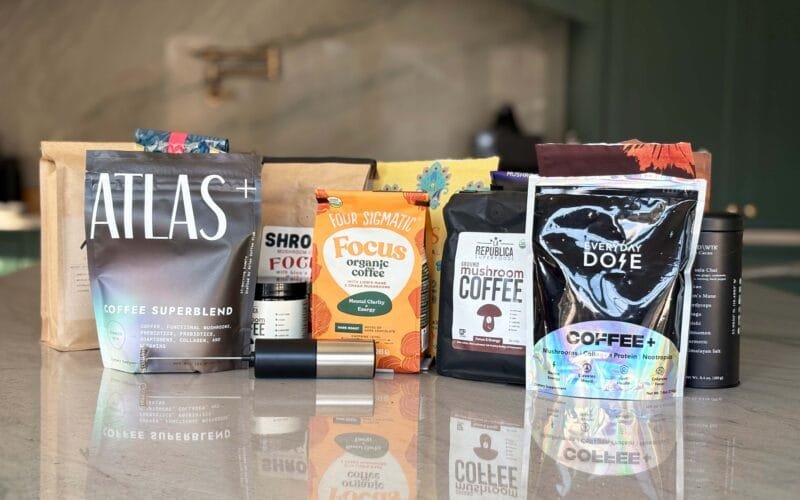
The best mushroom coffees strike a balance between familiar coffee notes and subtle fungal undertones. Brands like Shroomi and Atlas+ Coffee Club stand out for their premium roasts and thoughtful ingredient blends. Shroomi, for instance, uses whole mushroom fruiting bodies—rather than mycelium—claiming richer anti-inflammatory benefits. Its dark roasts lean into cacao and earthiness, while lighter roasts offer fruity brightness. Atlas+ takes it further by adding prebiotics, collagen, and vitamins to its instant blend, creating a creamy, cocoa-like drink with half the caffeine of regular coffee.
But not all mushroom coffees are created equal. Some, like Max Fit Wellness’ “Ten Mushroom Coffee,” lean so heavily into the fungal flavor that they taste more like a mushroom-forward herbal tea than a coffee. Others, like Ryze, aim for middle ground—roasty, funky, and approachable. And then there’s Rasa, which ditches caffeine entirely for a spiced herbal tea alternative, blending chaga, reishi, and adaptogens into a milder, more forgiving cup.
The science behind these mushrooms is still emerging. While early studies hint at cognitive support, immune benefits, and stress relief, more research is needed. That said, mushroom coffee isn’t a magic bullet—it’s a tool, not a cure. And for some, it’s just a way to enjoy coffee without the guilt of over-caffeination.
Opt for roasts that mirror your usual coffee preferences.
Key takeaways? Prioritize brands that use whole mushroom fruiting bodies for potency. Opt for roasts that mirror your usual coffee preferences. And if you’re on medication or have health concerns, consult a professional before diving in.
Ready to sip on the future of coffee? Which mushroom blend will you try first?
Questions & Answers
Are mushroom coffees legal?
Yes, mushroom coffees are legal in most countries. They contain adaptogens like reishi and lion’s mane, which are generally recognized as safe and not classified as drugs or controlled substances.
Do mushroom coffees have caffeine?
Most mushroom coffees have little to no caffeine. They’re made by blending mushroom powder with regular coffee, offering a mild, earthy flavor without the stimulant effects of traditional coffee.
Information sourced from industry reports and news outlets.