Real talk: Ever tasted coffee that’s simultaneously sour and bitter? It’s a paradox that’s more about extraction than just under or overbrewing. The sourness often stems from under-extracted acids, while bitterness comes from over-extracted compounds. But when both hit at once? That’s a sign the coffee’s not playing fair.
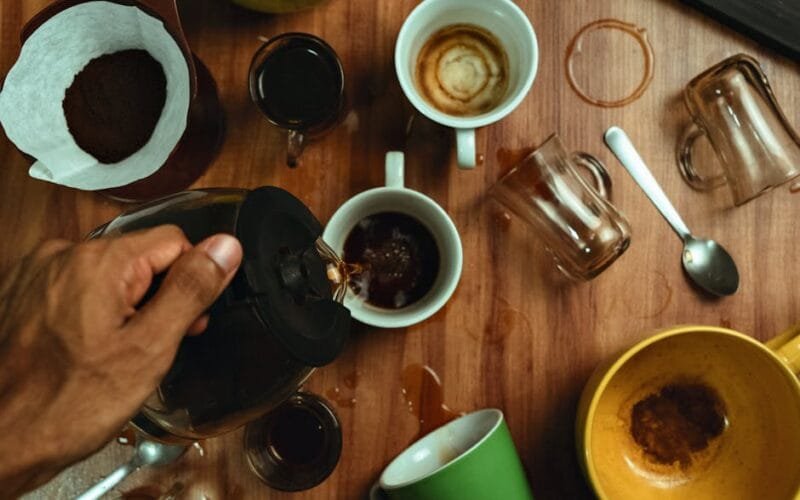
Coffee’s flavor is a chemistry experiment. Acids like malic and citric (think apple or lemon) dominate under-extraction, delivering brightness and sharpness. Meanwhile, bitterness arises from over-extracted compounds like chlorogenic acids and caffeine. But when a cup feels like it’s juggling both, it’s usually uneven extraction. Imagine a pour-over where water hits different parts of the grounds at varying rates—some beans are swimming in hot water, others are barely touched. The result? A clash of flavors that feels contradictory.
This isn’t just about technique. Water temperature, grind size, and brew time all dance in a delicate balance. A coarse grind might under-extract, letting sour notes dominate, while a fine grind risks over-extraction, amplifying bitterness. Even the bean’s origin plays a role. Light roasts lean into acidity, while dark roasts emphasize bitterness. But when both show up at once, it’s a red flag. The coffee isn’t just flawed—it’s telling you something about how it was made.
So what’s the fix? Start by checking your brew method. A French press might hold too much water, leading to over-extraction. A pour-over requires precision to avoid uneven saturation. And don’t ignore the water—temperature matters. If your coffee tastes like a sour beer with a bitter aftertaste, you’re not tasting the bean. You’re tasting the process.
Water temperature, grind size, and brew time all influence extraction balance.
Key points: Uneven extraction causes sour and bitter flavors to clash. Water temperature, grind size, and brew time all influence extraction balance. Light roasts emphasize acidity, dark roasts highlight bitterness—but both can show up at once if the coffee isn’t brewed properly.
Close: Have you ever tasted coffee that felt like it was fighting itself? What did it taste like to you? Share your experience below.
Questions & Answers
What causes coffee to taste sour?
Coffee’s sour taste comes from acids like malic and citric, which develop during roasting. These acids add brightness but can also create a tangy, sour sensation when brewed.
Why does coffee sometimes taste bitter?
Bitterness in coffee is caused by compounds like chlorogenic acids and oils released during brewing. Over-extraction or dark roasts can intensify this flavor, making it more pronounced.
Information sourced from industry reports and news outlets.