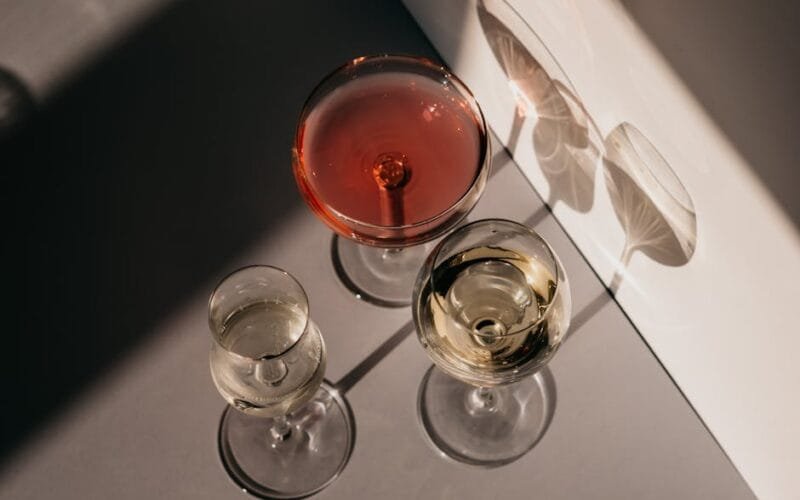
Consider this your morning briefing: Standing in a wine aisle is less about luck and more about strategy. When you walk into a store brimming with bottles, the chaos isn’t just about labels—it’s about decoding a language of terroir, structure, and price. The key isn’t to pick a bottle you “like” but to identify one that aligns with your palate and purpose. Start by anchoring yourself to a region. Bordeaux, Burgundy, Tuscany, or Napa Valley each tell a story through their soil, climate, and traditions. A bottle from Bordeaux, for example, often carries bold tannins and dark fruit notes, while Burgundy’s Pinot Noir is more about elegance and acidity. This isn’t just geography—it’s a shortcut to understanding flavor profiles.
Next, focus on the bottle’s “personality.” Look for the term “acidity” on the back label—it’s a clue to how the wine will evolve. High acidity means longevity, while low acidity suggests a fruit-forward, approachable drink. Pair this with price points: a $20 bottle from a well-known region is often a safer bet than a $50 unknown producer. But don’t let price be your only guide. A $10 bottle from a lesser-known appellation might outshine a pricier one if it’s crafted with intention. The goal is to balance curiosity with clarity.
Don’t ignore the bottle’s closure. A corked bottle (a faint smell of wet cardboard) is a red flag, but a screw cap doesn’t automatically mean poor quality. Modern winemaking has made closures a neutral factor. Finally, trust your instincts—but refine them. If a bottle’s label catches your eye, ask why. Is it the region? The vintage? The producer’s reputation? Eliminate the guesswork by narrowing your criteria before you even reach for a bottle.
KEY POINTS: Anchor your choice to a region to unlock flavor predictability. Check acidity levels to gauge a wine’s aging potential. Use price as a guide, but let quality—not cost—decide the final pick.
Share your trick below—let’s turn chaos into confidence.
CLOSE: What’s your go-to strategy for avoiding wine aisle paralysis? Share your trick below—let’s turn chaos into confidence.
Questions & Answers
How do I choose a wine by taste?
Taste the wine, noting sweetness, acidity, tannins, and finish. Match with food or mood. Look for balance and complexity.
What’s a good wine for beginners?
Start with light, crisp whites like Pinot Grigio or Sauvignon Blanc. These are easy to drink, affordable, and versatile with food.
Information sourced from industry reports and news outlets.