Tea Facts

Discover tea varieties, brewing techniques, and health benefits. From green tea to oolong and beyond.

Luxembourg’s Matcha Maven Launches a Green Haven for Coffee Connoisseurs

Luxembourg’s Matcha Maven Launches a Green Haven for Coffee Connoisseurs

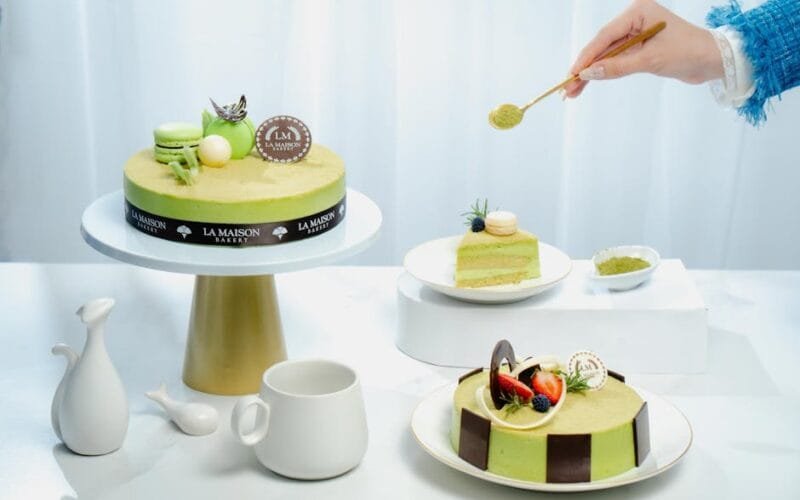
This is worth savoring: Junn Loh, the visionary behind Luxembourg’s beloved coffee chain Curiousbuds, has swapped beans for matcha, opening Matchalab in the capital. The new café isn’t just a trend—it’s a deliberate pivot, rooted in Loh’s decade-long obsession with quality and her belief that matcha’s ritualistic charm transcends its Instagram fame. “We’re not here to chase hype,” she says. “We’re here to serve a single cultivar, single origin matcha from Japan, made with intention.” Loh’s approach is as meticulous as it is unconventional. The café’s interior—soft greens, deep browns, and minimalist benches—was designed to foster connection, not just caffeine.…
Read More
California’s Tea Revolution: A New Crop for the Golden State

California’s Tea Revolution: A New Crop for the Golden State

Consider this your morning briefing: California’s agricultural landscape is about to shift. Tea—America’s second-most-consumed beverage—has never been grown domestically, despite its ubiquity in 80% of U.S. households. With over 160 million Americans sipping it daily, the $6 billion annual import bill could be a missed opportunity. Enter Atef Swelam, director of UC Kearney Agricultural Research and Extension Center, who’s betting California’s climate can turn this global demand into a local boom. The Central Valley’s unique microclimate, with its warm days and cool nights, is ideal for tea cultivation. As the Sustainable Groundwater Management Act forces farmland retirement, Swelam sees tea…
Read More
World Tea Expo’s Identity Crisis: Is It Still a Specialty Tea Show?

World Tea Expo’s Identity Crisis: Is It Still a Specialty Tea Show?

If you’ve ever wondered what happened to World Tea Expo, you’re not alone. Last year’s event felt like a shadow of its former self—a once-vibrant hub for specialty tea professionals now mired in confusion. The show, which once thrived as a standalone destination for tea entrepreneurs and enthusiasts, now seems to be drifting toward a hybrid identity, caught between its roots and the demands of a broader market. The shift is subtle but telling: fewer sessions, a shrinking expo floor, and a growing sense that the event is no longer serving its original purpose. The changes are stark. Once a…
Read More
Strawberry Matcha: The Sweet Controversy

Strawberry Matcha: The Sweet Controversy

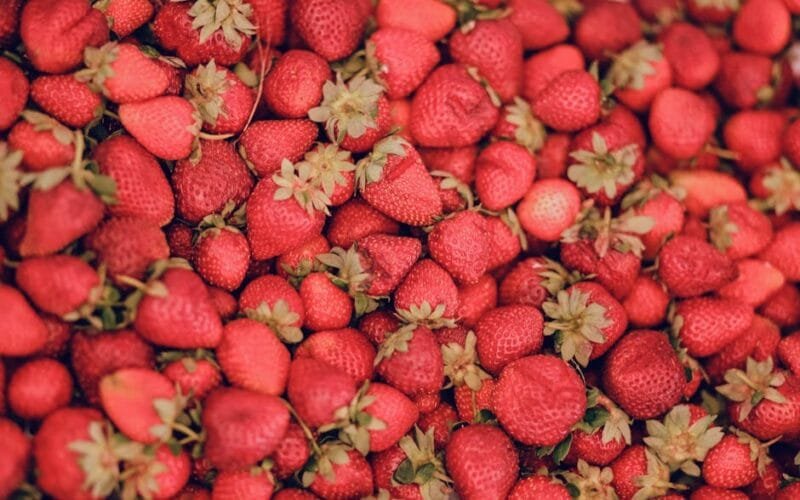
Strawberry matcha isn’t just a trend—it’s a debate. The blend of earthy matcha and sweet fruit has sparked a divide among drinkers: is it a revelation or a gimmick? For some, it’s a cozy comfort; for others, it’s a betrayal of tradition. The answer lies in the nuances of flavor, texture, and personal taste. The three main camps of strawberry matcha reveal a spectrum of preferences. First, there’s the artificial strawberry flavor, often found in budget-friendly brands like Nesquik. It’s sweet, predictable, and universally palatable—but lacks depth. Think of it as the sugary cousin of matcha, perfect for a quick…
Read More
Does Lower Water Temperature Unlock Aged Sheng’s Sweetness?

Does Lower Water Temperature Unlock Aged Sheng’s Sweetness?

There's something brewing in the world of aged sheng pu'er—specifically, a debate over whether lowering water temps can coax out hidden layers of flavor. A recent experiment with a 2005 Yiwu cake revealed that dropping below boiling point could transform the tea’s profile, turning earthy notes into something closer to honeyed fruit. The question isn’t just about technique—it’s about rethinking how we approach aging, extraction, and the delicate balance between sweetness and storage taste. Aged sheng, especially beyond a decade, often carries a distinct “storage taste”—that muddy, musty character from years in clay jars. But this isn’t a flaw; it’s…
Read More
The Unlikely Contenders of Puer’s First Round

The Unlikely Contenders of Puer’s First Round

This is worth savoring: The raw puer scene isn’t just about powerhouses anymore. In the first round of March Madness 2026, underdogs and overlooked regions are stealing the spotlight. From the grassy, leather-laced notes of Underdog’s 2025 Spring Bulang to the perfumy brightness of Yunnan Sourcing’s “Ba Da Snake,” these teas are proving that budget-friendly doesn’t mean bland. The Underdog 2025 Spring Bulang Raw Puer opens with a grassy, green character that lingers like a quiet storm. Its bitterness emerges subtly after a sip, paired with doughy undertones and a faint floral whisper. It’s a toned-down version of Menghai’s punch,…
Read More
The 200g Sheng Mystery: When Did It Take Off?

The 200g Sheng Mystery: When Did It Take Off?

The 200g Sheng mystery has brewed for years, but one question keeps resurfacing: when did this format become the norm? If you’ve ever stumbled upon a 200g cake and wondered if it’s an outlier or part of a trend, you’re not alone. The early 2010s were dominated by 357g cakes, a standard that felt almost ritualistic. Yet today, 200g cakes are everywhere—especially in niche brands and lower-tier markets. Why the shift? It’s less about tradition and more about economics. Smaller cakes are cheaper to produce, easier to store, and faster to sell. For collectors, though, the 200g format feels like…
Read More
The Bingdao Secret Unveiled: A Lincang Masterpiece

The Bingdao Secret Unveiled: A Lincang Masterpiece

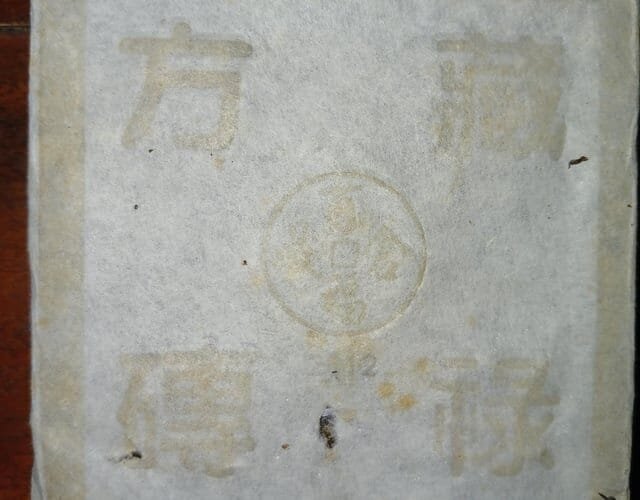
The verdict is in: This Lincang brick is a revelation. Produced by Hong Kong’s boutique BFZC, it’s a rare glimpse into the enigmatic world of Bingdao teas—where bold aromas and complex flavors defy easy categorization. The tea’s tart lemony astringency cuts through like a sharpened blade, yet it’s balanced by a rich, almost floral perfume that lingers like a whispered secret. This isn’t just another Lincang cake; it’s a sensory puzzle that rewards patience. What sets this apart is the “Bingdao secret”—a signature aroma I’ve never encountered elsewhere. It’s neither the earthy musk of Yiwu nor the smoky depth of…
Read More
The Raw Puer Showdown: Nannuo’s Spring 2025 Farmerleaf Takes the Crown

The Raw Puer Showdown: Nannuo’s Spring 2025 Farmerleaf Takes the Crown

Consider this your morning briefing: the raw puer tea world just got a contender worth noting. In a tight race between Nannuo’s top-tier offerings, the Spring 2025 Farmerleaf edition emerged as the clear winner, delivering a flavor profile that’s both refined and unforgettable. While the competition was fierce, the standout tea’s ability to balance tingle, sweetness, and astringency made it impossible to ignore. The Nannuo Farmerleaf Spring 2025 sheng stood apart from the pack. Its initial bite delivered a sharp, citrus-forward punch that lingered with a cooling sensation, while the finish offered a sweet lemon-candy note that lingered longer than…
Read More
Why Certain Years Dominate Puer Tea Markets

Why Certain Years Dominate Puer Tea Markets

Here’s what you need to know about the curious pattern in puer tea vintages. If you’re diving into aged puer, you’ve likely noticed a strange trend: decades-old teas from 2007, 2010-11, and 2016-17 seem to dominate listings. Is this a coincidence, or does it reveal something about how these teas are produced, aged, and sold? The answer lies in a mix of natural conditions, market forces, and human decisions. The years in question often align with periods of stable climate and favorable harvests. For example, 2007 saw unusually warm temperatures in Yunnan, which accelerated tea growth and created a surplus.…
Read More