⏱ 1 min read
The Short Version
Germany’s Izolda Zogranian and Max Hook won the Barista League’s Prague event by redefining competition as a community-driven experience, blending service and creativity over technical skill. Their win marks a shift toward human connection in coffee competitions.
In This Article
Real talk: The Barista League’s Prague event didn’t just crown champions—it redefined what it means to compete. The 2026 season kicked off with a bold overhaul, prioritizing service and concept over rote technique, and Germany’s Izolda Zogranian and Max Hook emerged as the first to master the new rules. Their win wasn’t just about skill; it was about rewriting the script for how coffee competitions can feel human.
The goal was to make everything as close to a real-life experience as possible.
A New Format, a New Lens
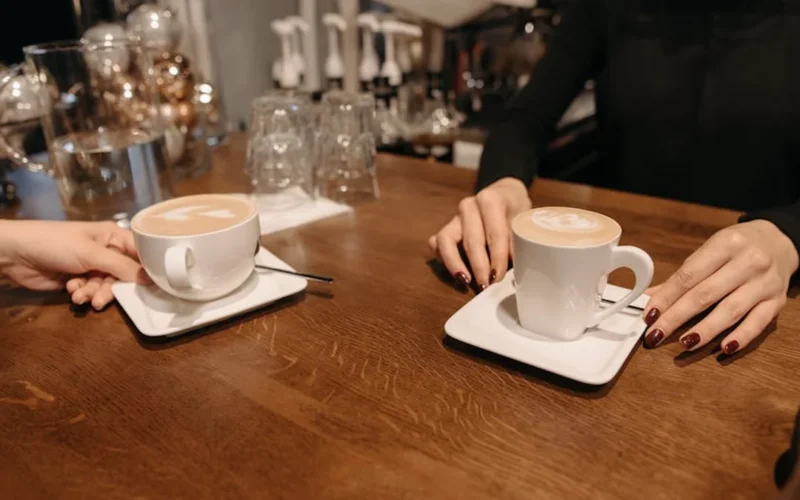
The Barista League’s new scoring model—a 62% weight on service and concept—forced competitors to think beyond extraction. Izolda and Max leaned into the shift, framing their performance as a café conversation rather than a staged act. “The goal was to make everything as close to a real-life experience as possible,” Izolda said. Their drinks, paired with a mystery ingredient cocktail, became a bridge between barista and customer, inviting judges to reflect on their first encounters with specialty coffee. The format’s emphasis on live interaction meant teams had to balance precision with spontaneity, turning the stage into a space for connection rather than just technical display.
Community Over Competition
What set Izolda and Max apart wasn’t just their chemistry—it was their refusal to treat the competition like a zero-sum game. “Finding a person you can rely on is probably the most important thing in those circumstances,” Max noted. Their four-year partnership, built on trust and shared vision, allowed them to pivot seamlessly when Iz’ta had to leave mid-prep. The event’s ethos of collaboration—teams sharing drinks, cheering each other’s ideas—further reinforced their approach. The Barista League’s shift toward accessibility meant competitors could focus on passion, not perfection, and that nuance became their edge. The goal was to make everything as close to a real-life experience as possible. What if the future of coffee competitions isn’t about winning, but about building something that feels like home?
Questions & Answers
How did Izolda Zogranian and Max Hook win the Barista League's Prague event?
Izolda Zogranian and Max Hook won by focusing on service and concept, not just technical skill. They framed their performance as a café conversation, making the experience feel authentic. Their drinks paired with mystery ingredient cocktails invited judges to reflect on their first coffee encounters, aligning with the new format's emphasis on real-life interaction.
Why was the Barista League's Prague event different from previous competitions?
The Barista League's Prague event shifted focus from rote technique to service and concept, with 62% of the score based on interaction. Competitors had to balance precision with spontaneity, turning the stage into a space for connection rather than just technical display, making the experience more human and relatable.
What role did community play in the competition?
Community was central, with teams collaborating by sharing drinks and cheering each other’s ideas. Izolda and Max emphasized trust and shared vision, allowing them to adapt when challenges arose. The event’s focus on accessibility encouraged passion over perfection, fostering a supportive environment that became their edge.
How did the new scoring model change the competition?
The new scoring model prioritized service and concept, giving 62% weight to live interaction. Competitors had to create authentic, real-life coffee experiences, like pairing drinks with mystery ingredient cocktails. This shift transformed the competition into a space for connection, reflecting the Barista League’s goal of making coffee competitions feel more human.
Originally reported by Barista Magazine.