Real talk: Chile’s País grape, once dismissed as a footnote in wine history, is now rewriting its story. A decade ago, Miguel Torres sparked a quiet revolution by proving this ancient varietal could age gracefully and stand up to climate chaos. Now, its resurgence is gaining momentum across South America—and the world is taking notice.
País, originally brought to Chile by Spanish colonizers in 1500, was sidelined in the 19th century as winemakers favored international stars like Cabernet and Chardonnay. “It was forgotten,” says Daniel Marquez of Miguel Torres. “People thought it was only for blending or bulk wines.” But that changed when Miguel Torres Maczassek, the fifth-generation winemaker, fell for its wild, bush-vine character. He launched Chile’s first single-varietal País sparkling in 2010 and a light, Beaujolais-style red in 2013. These wines didn’t just taste different—they proved País could compete.
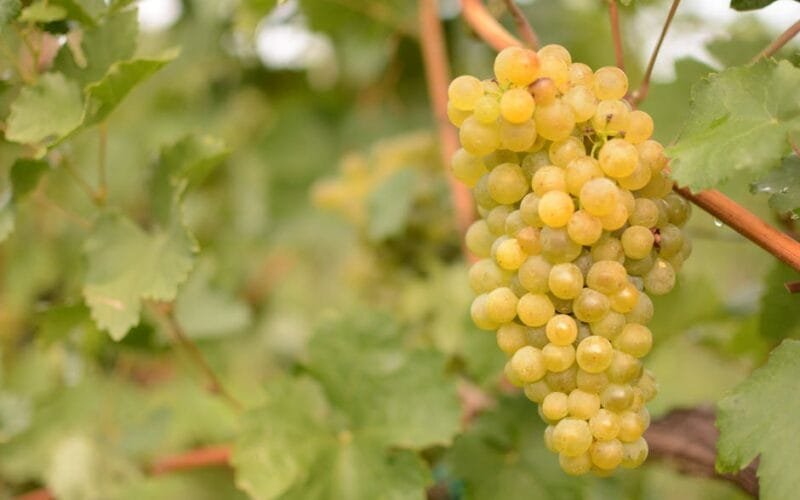
The grape’s resilience is its secret weapon. Old vines, some centuries old, thrive without irrigation, making them a climate-change lifeline. “They’ve survived for so long without water,” Marquez explains. “That’s a superpower in today’s drought-ridden world.” Now, as producers in Argentina, Peru, and Bolivia (where it’s called Criolla) embrace its potential, País is becoming a symbol of adaptability. Its light-bodied, rustic profile—think Pinot Noir with more soul—fits perfectly with the global shift toward chilled, approachable reds. “You don’t need steak or heavy meals to enjoy it,” Marquez says. “Just people.”
But País’s journey wasn’t always smooth. In 2012, only 5,000 hectares remained planted—a near-extinction crisis. Yet, by championing old vines, Miguel Torres ignited a movement. Wineries like Garage Wine Co and Roberto Henriquez joined the cause, proving País is more than a relic. It’s a bridge between tradition and tomorrow.
Key points: Old vines offer climate resilience, País’s light profile aligns with modern drinking trends, and its revival is a win for terroir over trends.
Key points: Old vines offer climate resilience, País’s light profile aligns with modern drinking trends, and its revival is a win for terroir over trends.
What’s your go-to light red for casual sipping? Share your favorite.
Questions & Answers
What makes Chile’s ancestral grape unique?
It’s a rare, indigenous grape with distinct flavor and resilience, adapted to Chile’s climate. Its revival highlights traditional winemaking and biodiversity.
Why is the grape getting renewed attention?
Interest grows due to its heritage value, unique taste, and potential for sustainable, high-quality wines. It’s seen as a symbol of Chile’s wine identity.
Information sourced from industry reports and news outlets.