Remember when matcha was the green tea everyone was obsessed with? Now, a new player is quietly taking over café menus: hojicha. This roasted Japanese tea, with its nutty aroma and low caffeine content, is becoming the go-to afternoon drink for those seeking a calming pick-me-up without the jitters. Unlike matcha’s intense umami, hojicha offers a subtler, smoky warmth that’s perfect for sipping as the sun sets. But what makes this ancient tea so irresistible today?
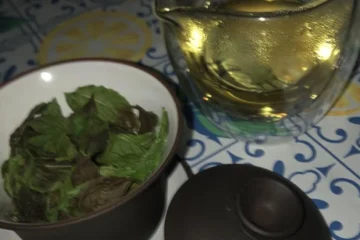
Hojicha’s rise isn’t accidental. Originating in Kyoto in the 1920s, it was once a way to repurpose leftover tea leaves from mechanical harvests. Roasted over charcoal, these leaves develop a rich, toasted flavor and a deep brown hue. While matcha’s fame stems from centuries of tradition and shading techniques, hojicha’s appeal lies in its simplicity and accessibility. The roasting process reduces caffeine by up to 80% compared to matcha, making it ideal for late-day sips. Plus, its high antioxidant content and L-theanine—a calming amino acid—make it a wellness-friendly alternative to both coffee and matcha.
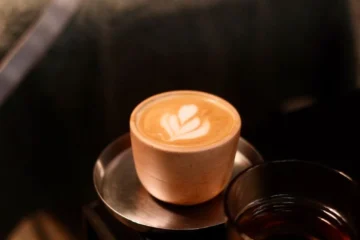
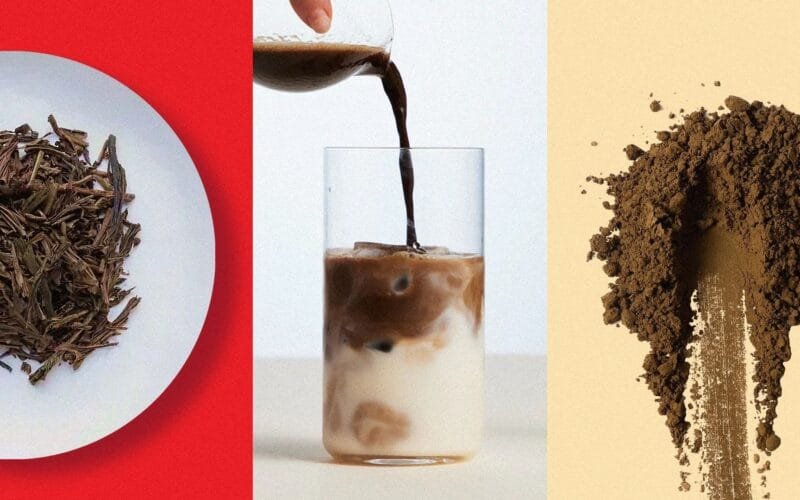
The difference between hojicha and matcha isn’t just in flavor. Matcha’s leaves are shaded to boost chlorophyll and amino acids, while hojicha uses mature leaves roasted at high heat. This creates two distinct profiles: matcha’s earthy intensity versus hojicha’s nutty, caramel-like sweetness. For those who prefer milk-based drinks, powdered hojicha froths beautifully, while loose-leaf versions offer a more traditional brewing experience. Brands like Matchaful and Midori Spring highlight this versatility, with powders designed for lattes and loose-leaf options that cater to tea purists.
Key points: Hojicha’s low caffeine and calming effects make it a perfect afternoon drink. Its roasting process creates a unique nutty flavor profile, distinct from matcha’s earthy depth. Whether you choose powder for lattes or loose-leaf for a more nuanced brew, hojicha adapts to your preferences.
Share your favorite method below.
What’s your go-to way to enjoy hojicha—steeped, frothed, or poured over ice? Share your favorite method below.
Questions & Answers
Is this tea really low in caffeine?
Yes, it contains just 2-3 mg of caffeine per cup, making it a low-caffeine option compared to traditional teas.
Where can I buy this tea?
It’s available at major coffee chains and online retailers, often sold in single-serve pods or loose-leaf form.
Information sourced from industry reports and news outlets.