Here’s a conundrum that’s leaving even seasoned roasters scratching their heads: Sumatran beans, once a reliable favorite, are now throwing curveballs at the dark roast stage. The issue isn’t just about timing—it’s about control, chemistry, and the delicate balance between heat and flavor. When roasting Sumatran beans to medium/dark levels, the beans seem to race past the desired window, leaving roasters with oily, smoky results that feel more like a disaster than a triumph.
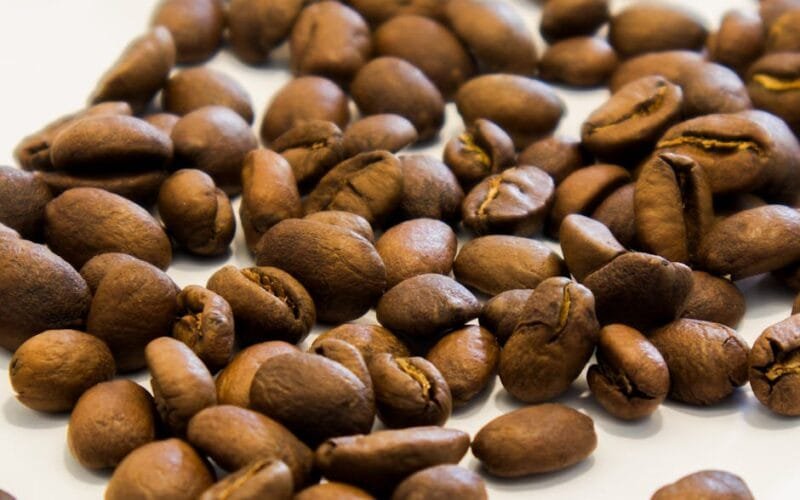
The problem starts with the second crack—a telltale sign that the beans are nearing their dark roast destiny. But here’s the catch: pulling at the exact moment of second crack (as Happy Mug suggests) often leads to beans that are already over-roasted by the time they cool. The oiliness, which looks almost wet, isn’t just a visual cue—it’s a red flag. These beans resist grinding, clog grinders, and deliver a burnt note that overshadows their potential. Yet, when pulled earlier, at 18% weight loss, the results are surprisingly balanced, hinting that the sweet spot lies in precision, not brute force.
The SR800’s behavior adds another layer of complexity. The machine’s cooling phase can’t be rushed; it’s a dance between letting the beans finish their roast and stopping before they burn. Some roasters swear by cooling immediately, while others adjust fan speed to slow the process. The key isn’t just timing—it’s understanding how the beans interact with heat, airflow, and time. Sumatran beans, with their high mineral content, seem to absorb and release heat differently than Ugandan Bugisu, which roasts more predictably.
KEY POINTS: The second crack is a critical marker, but timing is everything—pulling too late risks oiliness and bitterness. Cooling strategies matter: some roasters cool immediately, others tweak fan speed to slow the roast. Sumatran beans demand a more hands-on approach than Ugandan varieties, which roast with greater consistency.
What tricks do you use to tame their wilder roast profile.
Close: Have you ever struggled with Sumatran beans that seem to outpace your roast window? What tricks do you use to tame their wilder roast profile? Share your insights below.
Questions & Answers
How to fix overshooting dark roasts on SR800?
Reduce roast time by 10-15 seconds. Adjust temperature settings lower. Monitor roast color closely. Use smaller batch sizes for better control.
What causes overshooting in SR800 roasting?
Overheating, incorrect time settings, or inconsistent bean temperatures. Poor ventilation or faulty sensors can also lead to overshooting. Check equipment calibration regularly.
Information sourced from industry reports and news outlets.