The verdict is in: Filipino Arabica from Mt. Apo isn’t just a curiosity—it’s a revelation. Sourced from the biodiverse highlands of Mindanao, these beans challenge assumptions about what coffee can be. Roasted to a light to medium profile, they reveal a complex interplay of earthy notes and citrus brightness, proving that geography and care can elevate even imperfect raw material.
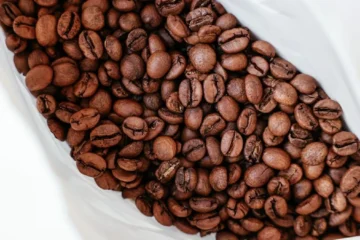
The beans, a Catimor variety from the Mt. Apo region, arrived with a troubling flaw: worm holes marred their surface, reducing density and raising questions about quality. Yet, the roast test results spoke volumes. Three iterations of espresso extraction yielded a clean, vibrant cup with a lingering sweetness that defied the beans’ apparent shortcomings. This isn’t just about the roast—it’s about redefining value. The roaster, Skywalker 2, handled the challenge with precision, balancing extraction to highlight the beans’ inherent character.
Mindanao’s terroir plays a critical role. High elevation, volcanic soil, and microclimates create a unique environment where Arabica thrives. These beans, though not conventionally “perfect,” showcase resilience and depth. The worm holes, while a flaw, also hint at the beans’ journey—exposed to elements that shaped their flavor. This is coffee that demands patience, not just in cultivation but in appreciation.
The takeaway? Don’t dismiss beans with visible flaws—context matters. Mindanao’s terroir delivers a rare balance of acidity and body. Roasting is an act of alchemy, not just science.
Time to spill: What underdog beans have reshaped your coffee expectations.
Time to spill: What underdog beans have reshaped your coffee expectations? Share your story below.
Questions & Answers
What makes Filipino Arabica from Mt. Apo special?
It has a unique flavor profile with notes of citrus and chocolate, grown in Mindanao’s rich soil. High altitude and climate create a balanced, aromatic cup.
Where is Mt. Apo Arabica grown?
Mt. Apo Arabica is grown in Mindanao, Philippines. The region’s volcanic soil and elevation provide ideal conditions for high-quality coffee beans.
Information sourced from industry reports and news outlets.