

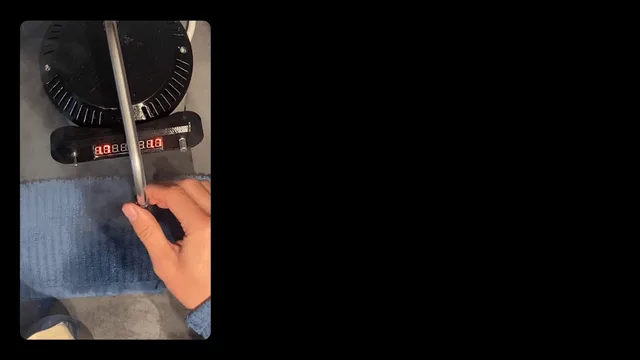
Listen up: The steam wand angle is a hot topic in barista circles, and for good reason. Whether you’re chasing velvety microfoam or perfect latte art, the angle at which you position the wand can make or break your results. But here’s the catch—most baristas debate it like it’s the final round of a championship, when the real answer is simpler. You’ve probably seen videos showing every angle from 45 degrees to straight down, each claiming to be the holy grail. Yet, the science behind it? Less clear.
The truth is, the steam wand angle isn’t a one-size-fits-all solution. It’s a variable that interacts with other factors: milk volume, nozzle design, and even your machine’s pressure settings. For example, a shallow angle (like the left clip in your video) creates a larger surface area for steam to aerate the milk, which is great for building volume. But if you’re short on milk, a steeper angle (right clip) might be better to avoid over-aerating and scalding. The middle clip? It’s a compromise, but one that often feels like a gamble.
Nozzle configuration plays a role too. Dual-nozzle setups allow for more control—like switching between steam and froth modes—so your angle strategy might shift depending on the tool. Meanwhile, single-nozzle users are stuck with a fixed setup, which means mastering the angle becomes even more critical. And let’s not forget steam power: a high-pressure setting can dominate the milk’s texture, making the angle less impactful. But if your machine’s pressure is low, the angle becomes your main lever.
You’re not overthinking—just refining. The key is to treat the angle as part of a system, not a standalone variable. Test how different angles interact with your milk volume and nozzle, then dial in what works.
Nozzle type matters: dual-nozzle setups offer flexibility, while single-nozzles demand precision in angle.
KEY POINTS: Focus on milk volume first—shallow angles suit larger quantities, steeper ones work better for smaller batches. Nozzle type matters: dual-nozzle setups offer flexibility, while single-nozzles demand precision in angle. Steam power and angle are linked: high pressure reduces the angle’s impact, low pressure makes it critical.
Close: What’s your go-to steam wand angle? Share your setup and how it shapes your microfoam—let’s turn this into a masterclass.
Questions & Answers
Does wand angle matter for microfoam?
Yes, angle affects texture. Aim wand slightly upward for smooth microfoam. Too flat = coarse, too steep = lumps. Adjust until foam flows evenly.
How to fix poor microfoam?
Check wand angle, milk temperature, and pump pressure. Use cold milk, aim wand upward, and purge air. Practice consistency for smooth, velvety foam.
Information sourced from industry reports and news outlets.