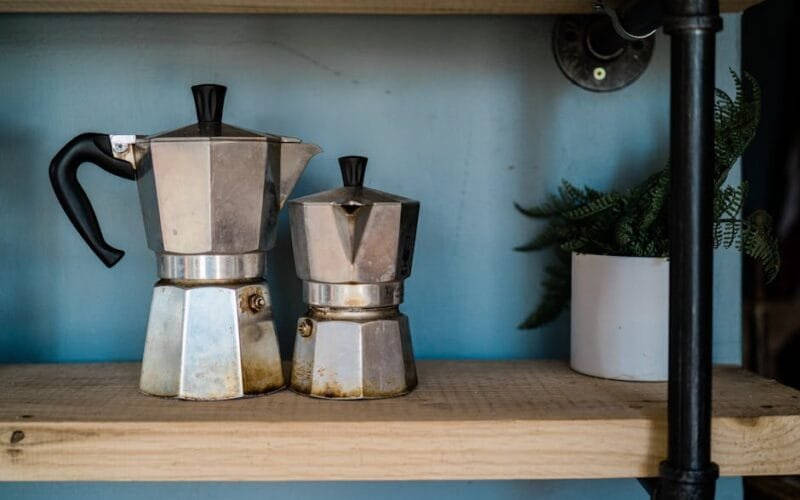
This might just change your routine: after years of chasing espresso’s reputation for intensity, I’ve found the Moka Pot’s simplicity delivers a richer, more nuanced cup. The debate between these two methods isn’t just about strength—it’s about how each extraction reveals coffee’s character. For me, the Moka Pot’s manual process and direct heat create a flavor profile that espresso’s pressure-driven method can’t replicate.
Espresso’s appeal lies in its concentrated body and boldness, but that comes at a cost. The pressure forces solubles into the shot, resulting in a dense, often overly extracted brew. While some swear by its depth, I’ve found the Moka Pot’s slower, gentler approach highlights acidity and floral notes that espresso flattens. Think of it as a contrast between a symphony and a solo instrument—both powerful, but one offers layers the other can’t match.
The Moka Pot’s charm isn’t just in taste. Its design—simple, durable, and affordable—makes it a kitchen staple. You don’t need a $500 machine or a barista’s precision. A good grind, a tight seal, and a few minutes of patience yield a cup that feels like a labor of love. Espresso, meanwhile, demands investment in hardware, technique, and time. For casual drinkers, the Moka Pot’s accessibility feels like a better fit.
Yet, the divide isn’t absolute. Some argue espresso’s consistency and crema make it a ritual worth the cost. But for those who prioritize flavor complexity over ceremony, the Moka Pot’s unassuming elegance wins. The key isn’t choosing one over the other—it’s understanding what each method unlocks.
Pressure-driven methods prioritize body over balance, sacrificing subtlety for intensity.
Key points: The Moka Pot’s slower extraction reveals acidity and nuance espresso often suppresses. Pressure-driven methods prioritize body over balance, sacrificing subtlety for intensity. For casual brewing, the Moka Pot’s simplicity and affordability make it a more satisfying choice.
What’s your take? Does the pursuit of espresso’s boldness justify the investment, or is the Moka Pot’s quiet mastery the smarter bet? Drop your thoughts below.
Questions & Answers
Does Moka Pot coffee taste better than espresso?
Moka Pot coffee has a richer, fuller body. Espresso is more concentrated and bold. Taste depends on personal preference and brewing method.
Which brews faster, Moka Pot or espresso?
Espresso brews in 20-30 seconds. Moka Pot takes 3-5 minutes. Espresso is faster, but Moka Pot offers a slower, more manual brewing experience.
Information sourced from industry reports and news outlets.