Wine is best enjoyed when served at the right temperature, and the 20-20-20 rule provides a straightforward approach to achieving this. By applying these simple serving hacks, you can enhance your wine experience significantly. This guide will walk you through the optimal serving temperatures for various types of wine, ensuring that you can impress your guests and enjoy your favorite bottles to their fullest potential. Elevate your wine knowledge and mastery with these easy-to-follow tips that will transform your next gathering.
Understanding the 20-20-20 Rule
This guide will simplify the 20-20-20 rule for wine, a method aimed at enhancing your wine-tasting experience and improving the overall enjoyment of your beverages.
What is the 20-20-20 Rule?
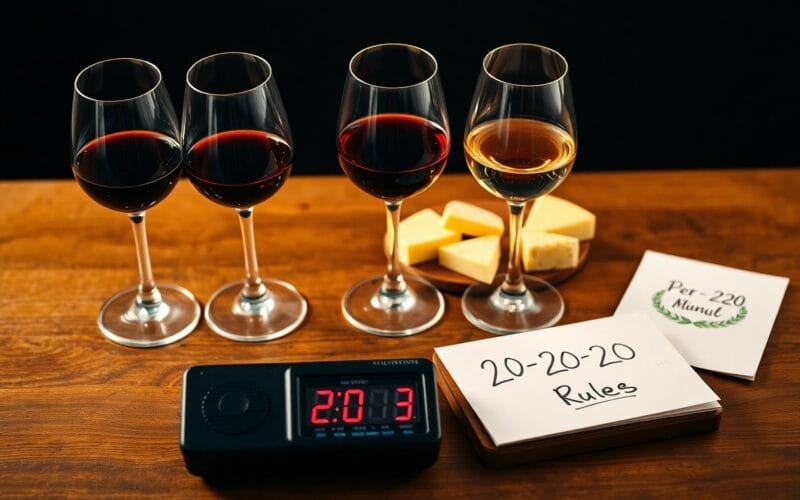
The 20-20-20 rule suggests that for optimal wine enjoyment, you should allow your wine to breathe for 20 minutes, serve it at the ideal temperature for 20 minutes, and finally, savor each sip for 20 seconds to fully appreciate its flavor profile.
The Science Behind the Rule
This approach leverages the principles of aeration, temperature control, and sensory evaluation, all of which contribute to a richer tasting experience. Aerating the wine enhances its aromatic compounds, the right temperature preserves the wine’s integrity, and taking your time to savor each sip allows you to discern subtle flavors and aromas.
Aeration occurs as wine interacts with oxygen, which can soften tannins and elevate volatile compounds, making the wine more complex and aromatic. Serving at the correct temperature-red wines typically between 60-65°F and whites around 40-50°F-ensures the best balance of flavors. Lastly, spending 20 seconds per sip allows your palate to detect layers of taste, revealing nuances that can otherwise go unnoticed, enriching your overall experience with each glass.
Ideal Serving Temperatures
| Type of Wine | Ideal Temperature (°F) |
|---|---|
| Red Wines | 60-65 |
| White Wines | 45-55 |
| Sparkling Wines | 40-50 |
Red Wines
For red wines, the ideal serving temperature ranges between 60 to 65°F. This allows the complex aromas and rich flavors to develop fully. If served too cold, reds can taste overly tannic, while excessive warmth can make them taste flat.
White and Sparkling Wines
White and sparkling wines shine best when served at cooler temperatures, ideally between 40 to 55°F. This enhances their refreshing qualities while maintaining acidity, which is important for the balance in these wines.
For white wines, the distinction you’ll notice when serving between 45°F and 55°F makes a significant difference in flavor perception. Crisp varieties like Sauvignon Blanc thrive at 45°F, accentuating their zesty notes, while fuller-bodied options like Chardonnay benefit from slightly warmer temperatures, around 50-55°F. Sparkling wines, served at the colder end of the spectrum, emphasize their effervescence and bright fruit flavors, making every sip a delight.
Proper Aeration Techniques
Aeration significantly enhances your wine experience, allowing the flavors and aromas to develop fully. Pouring wine into a glass or using a decanter makes a notable difference. When you expose the wine to air, volatile compounds escape while the wine reacts with oxygen, softening tannins and enriching the overall profile. Depending on the variety, some wines may require more aeration than others, so take the time to experiment to find what best suits your taste.
Decanting vs. Oxidation
Decanting involves pouring wine into a separate container to separate it from sediments and improve aeration. Oxidation occurs naturally when wine is exposed to air. While decanting can enhance flavors, too much oxidation may lead to a flat taste. Understanding the balance between these techniques is vital for maximizing your wine’s potential. While older wines benefit from gentle decanting, younger reds often thrive with a more aggressive exposure to oxygen.
Timing Your Pour
The timing of your pour can influence the tasting experience. Pouring immediately after opening often means the wine hasn’t had the chance to breathe. Waiting 20 to 30 minutes can elevate the wine’s characteristics, especially for younger reds. For whites and lighter wines, more immediate serving is preferable, as they are often delicate and best enjoyed fresh. Each varietal is unique; therefore, adjusting your timing based on the wine type will enhance your enjoyment.
For optimal enjoyment, consider pouring your wine and letting it sit for a bit before tasting. A Cabernet Sauvignon might gain complexity if you let it aerate for at least 30 minutes, while a Chardonnay could be just fine if served promptly. Mark your calendar or set a timer to remind you to revisit your glass, as the flavors may evolve significantly over that time. This moment of patience allows for a deeper appreciation of the wine’s nuances and ensures you’re sipping it at its best.
Glassware Selection
Your choice of glassware can significantly enhance your wine experience. Different styles of glasses are designed to highlight the unique characteristics of various wines, making them more enjoyable. Opt for varietal-specific glasses, as these shapes are tailored to enhance the aroma and taste profile of the wine you’re serving. For instance, a Bordeaux glass features a wide bowl that allows for aeration, while a flute is perfect for sparkling wines to maintain their bubbles. Investing in a few quality glasses can elevate your wine enjoyment tremendously.
Choosing the Right Glass
Selecting the appropriate glass for your wine is imperative for bringing out its best qualities. For reds, you should use a larger, wider bowl to promote aeration, whereas whites typically benefit from a narrower glass that maintains cooler temperatures. If you’re serving sparkling wines, a flute’s tall shape and narrow opening preserve their effervescence. When in doubt, always opt for a glass specifically designed for the varietal you’re serving, as it’s engineered to enhance its flavors and aromas.
Impact of Glass Shape on Flavor
The shape of your glass can significantly influence your wine’s flavor profile and aroma. A broader bowl allows for more surface area, promoting oxygenation and enhancing rich, complex reds, while narrower designs help concentrate the aromas of delicate whites and sparkling wines. For example, the curvature of a tulip-shaped glass directs the wine to the right part of your palate, enhancing your overall tasting experience. Your glassware can transform a simple sip into a multi-faceted experience worth savoring.
Enhancing the Wine Experience
To fully appreciate wine, consider allowing it to breathe before savoring. The 30-minute rule can unlock wine’s full flavor, enhancing your tasting experience. For more insights, check out Unlock Wine’s Full Flavor with the 30-Minute Rule. Allowing your wine to aerate not only softens tannins but also releases complex aromas that elevate your enjoyment.
Food Pairing Tips
Selecting the right food to accompany your wine can dramatically impact the tasting experience. Here are some pairing guidelines:
- Light whites with seafood or chicken
- Full-bodied reds with red meats
- Rosé with summer salads
- Sweet wines with desserts
Any thoughtful pairing enhances the overall wine experience, making each sip a culinary adventure.
Creating the Perfect Atmosphere
The ambiance in which you enjoy wine significantly influences your experience. Opt for soft lighting to create warmth and intimacy, and consider adding aromatic candles to stimulate the senses. Background music can also set the mood-choose smooth jazz or classical melodies to complement your tasting session. Finally, ensure comfortable seating, allowing you to relax and fully engage with the flavors of your wine.
Common Mistakes to Avoid
To fully enjoy wine, you must sidestep common pitfalls that can impair your tasting experience. Familiarize yourself with The ’20/20′ rule that will change how you drink wine forever to help navigate these common errors.
Serving Temperature Errors
Serving temperature impacts your wine’s flavor profile and aroma.
| Type of Wine | Ideal Temperature (°F) |
| Red Wines | 60-65 |
| White Wines | 45-55 |
| Sparkling Wines | 40-50 |
Overlooking Aeration Needs
Failing to aerate your wine can mute its flavors and aromas. Most wines benefit from exposure to air before serving, as this allows the wine to “breathe,” softening tannins and enhancing complexity.
Aeration is particularly important for younger red wines, which often have robust tannins that can overshadow subtler flavors. Consider using a decanter or letting the wine sit in your glass for several minutes. Even whites can benefit from brief exposure, transforming their profiles. This process not only improves the overall experience but also invites you to discover the full range of a wine’s character.
Summing up
Now that you understand the 20-20-20 rule for serving wine, you can elevate your wine experience significantly. By ensuring proper temperature, environment, and glassware, you enhance the flavors and aromas that make each sip enjoyable. Implement these simple hacks, and your wine will always be at its best, allowing you to impress guests and enjoy your selections to the fullest. With these guidelines, you’re well on your way to mastering wine service with confidence.