Champagne

The Art of Balance: Arnaud van der Voorde’s Vision for Champagne

The Art of Balance: Arnaud van der Voorde’s Vision for Champagne

In the world of Champagne, where precision meets poetry, Arnaud van der Voorde is rewriting the script. As cellar master at Pannier, he’s not just crafting bubbles—he’s redefining what it means to be a modern winemaker. His approach blends the rigor of a conductor with the soul of a musician, orchestrating each element of his cuvées with the same discipline that guides a symphony. For van der Voorde, wine isn’t about perfection; it’s about presence. “A great wine should always stir genuine emotion,” he says. That sentiment isn’t just philosophy—it’s the blueprint for his work, where every decision, no matter…
Read More
Alice Tétienne and the Fight for Champagne’s Future

Alice Tétienne and the Fight for Champagne’s Future

Consider this your morning briefing: Climate change isn’t just a threat to Champagne—it’s rewriting the rules of the game. Cellar master Alice Tétienne, steering Champagne Henriot through this upheaval, isn’t just protecting a legacy; she’s redefining what it means to make wine in a world where frost, drought, and shifting weather patterns are the new normal. “Climate change is a reality,” she says bluntly. “Every year is worse.” For Henriot, the stakes are clear: the future of their iconic Cuvée des Enchanteleurs—and the region itself—depends on how quickly they adapt. The challenges are stark. Last year’s extreme dryness left grapes…
Read More
The Côte des Bar’s Secret to Richer, Fresher Champagne

The Côte des Bar’s Secret to Richer, Fresher Champagne

Listen up: Champagne isn’t just about the sparkle of Épernay or the iconic slopes of the Montagne de Reims. The Côte des Bar, its southernmost sub-region, is where the magic of terroir meets the boldness of tradition. Here, Kimmeridgean limestone soil—similar to Chablis—creates a mineral-driven backbone, while a warmer microclimate adds depth without sacrificing freshness. It’s a place where Pinot Noir thrives, and where Champagne Drappier has carved a niche as a quiet rebel in a region obsessed with consistency. The house’s Clarevallis cuvée is a masterclass in balance. At first sip, it’s a paradox: rich enough to impress with…
Read More
How to Unlock Champagne’s Hidden Layers

How to Unlock Champagne’s Hidden Layers

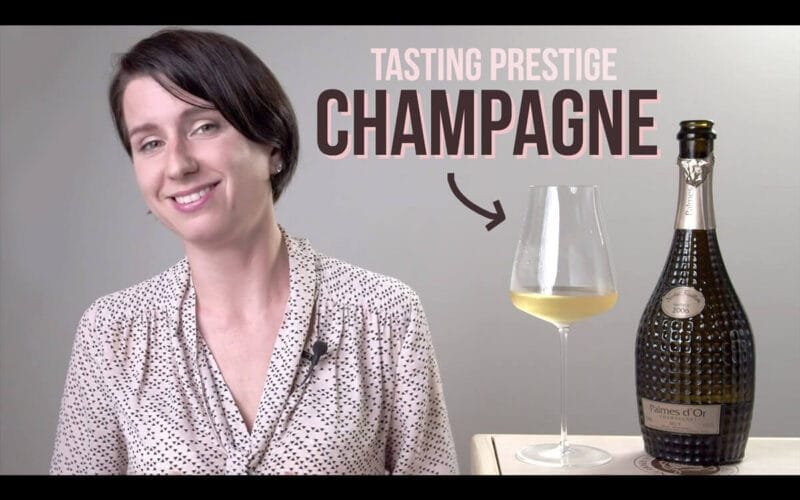
If you’ve ever wondered how a wine professional deciphers Champagne’s complexity, start with the bottle of Palmes d’Or—a prestige cuvée from Nicolas Feuillatte, the region’s largest cooperative. This Champagne isn’t just about bubbles; it’s a story written over years of aging. The secret? Tirage, the process of aging on the lees, which transforms the wine into a tapestry of toasted brioche, nutty richness, and caramelized depth. These flavors don’t emerge overnight—they demand patience, often eight or more years, to fully unfold. Tasting Champagne isn’t about sipping and moving on. It’s about slowing down. Begin by observing the effervescence—how the bubbles…
Read More
The AOC Code: How France’s Wine Labels Signal Quality and Origin

The AOC Code: How France’s Wine Labels Signal Quality and Origin

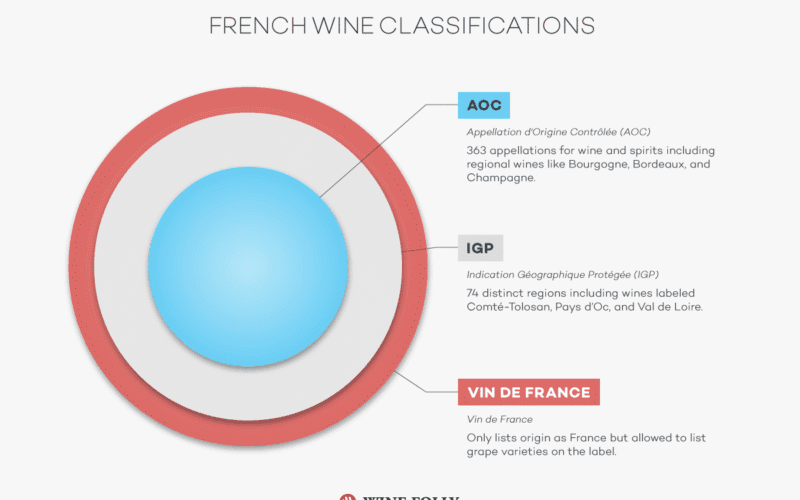
France’s wine labels are a language of precision, but decoding them feels like solving a mystery. Enter AOC—the Appellation d’Origine Contrôlée—France’s strict system for defining wine identity. It’s not just a label; it’s a guarantee of origin, rules, and quality. Think of it as the wine world’s version of a fingerprint: if it’s labeled AOC, you know exactly where it came from and how it was made. AOC isn’t just about geography. It’s a legal framework enforced by the Institut National de l’Origine et de la Qualité (INAO), which sets rules for grape varieties, yields, and even vine density. For…
Read More
Multivintage Wines Are Rewriting the Rules of Terroir

Multivintage Wines Are Rewriting the Rules of Terroir

The wine world is rewriting the rules of terroir. No longer is a bottle’s identity bound to a single harvest. Climate volatility has forced winemakers to blend across vintages—not to obscure origin, but to amplify it. This shift is reshaping how we think about wine, turning tradition into innovation. Blending isn’t new. Champagne has done it for centuries, and Sherry, Madeira, and Marsala rely on fractional aging to build complexity. But now, still wines are embracing the practice. Think Vega Sicilia’s Único Reserva Especial or Cain Cuvée’s 50-50 split. These wines aren’t about consistency; they’re about capturing the essence of…
Read More
Champagne Decoded: Sweetness, Grapes, and the Art of Sabering

Champagne Decoded: Sweetness, Grapes, and the Art of Sabering

If you’ve ever wondered why your Champagne tastes like a citrusy pastry or why some bottles cost a fortune, you’re not alone. Champagne’s reputation as a luxury drink is matched only by its complexity—and confusion. From sweetness levels to grape blends, this sparkling wine is a puzzle worth solving. Let’s cut through the fluff and get to the real story. Champagne’s sweetness isn’t just about sugar; it’s a precise scale. Brut means bone-dry, while Demi-Sec leans sweet, but the numbers matter. A Brut Nature has less than 6 grams of sugar per liter, while Doux can hit 120+ grams. The…
Read More
Krug’s Symphony of Flavors: A Musical Homage to the Legendary 2008 Vintage

Krug’s Symphony of Flavors: A Musical Homage to the Legendary 2008 Vintage

Famed composer Max Richter has collaborated with Champagne house, Krug, to create a unique ensemble where each note mirrors the essence of their exceptional 2008 vintage. This musical tribute is another chapter in Krug's legacy of interpreting the character of Champagne through music, alongside renowned artists. Richter, known for his blend of traditional orchestrations with modern electronic elements, has composed three pieces inspired by three Krug Champagnes from the celebrated 2008 vintage. Each composition is intended to accompany its corresponding cuvée and reflect its character. 'Clarity', a soloist piece, was created around Krug Clos d’Ambonnay 2008, a Pinot Noir from…
Read More
Discover the Affordable Champagne Alternative: Spanish Cava

Discover the Affordable Champagne Alternative: Spanish Cava

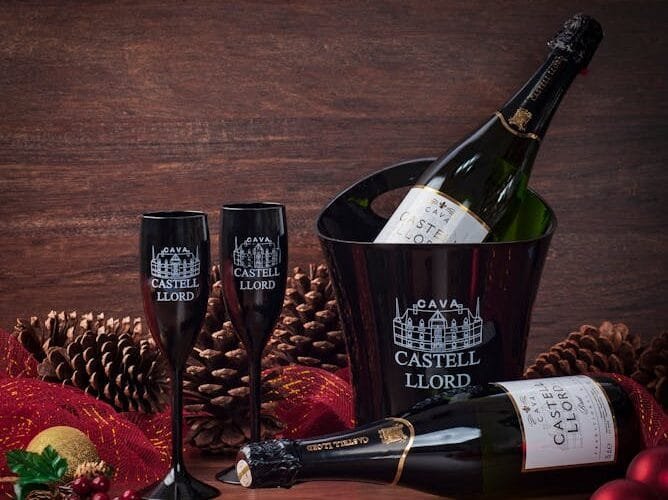
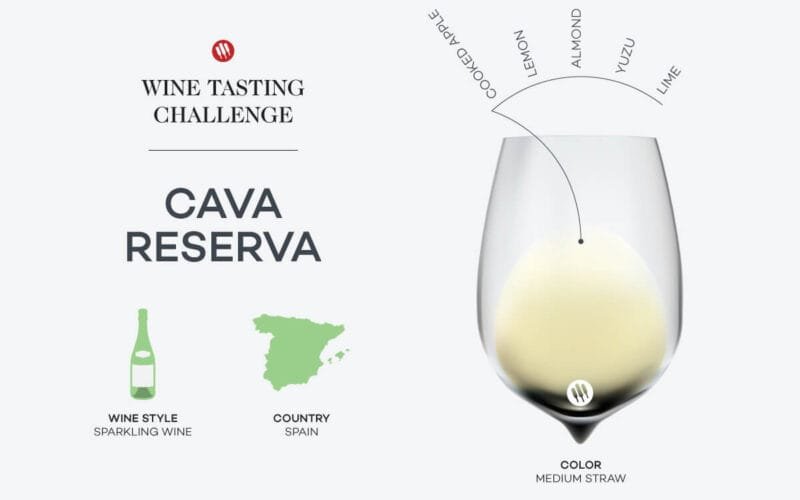
Expand your bubbly repertoire with a wallet-friendly contender from Spain—Cava. This week, we put a Spanish sparkler to the test in our ongoing Wine Tasting Challenge. The challenge? To taste 34 wines from 12 countries over 34 weeks and improve your wine palate. For this round, we set our sights on an 11-dollar Cava Reserva that offers surprising value for those who love high-quality, dry sparkling wines—just like Champagne. Medium straw aromas greeted us: cooked yellow apple, lemon, almond, and a touch of yuzu. On the palate, this lean Cava delivered with crisp acidity from start to finish, offering notes…
Read More
Unveiling the Charm of French Crémant: A Must-Try Alternative to Champagne

Unveiling the Charm of French Crémant: A Must-Try Alternative to Champagne

When it comes to French sparkling wines, Champagne steals the limelight. But let us introduce you to a lesser-known yet equally delightful alternative - Crémant. This underrated gem shares similarities with its expensive cousin but boasts unique flavors that make it truly special. Crémant, primarily produced in France and Luxembourg, is a sparkling wine created using the traditional method, much like Champagne. However, it's crafted outside the Champagne region by winemakers who may not possess land there. This diversity results in a multitude of regional styles and specialties that warrant recognition for their taste rather than their price tag. For…
Read More